When you’re exploring NDIS housing and support options for yourself or someone you care for, two terms come up quickly: SIL and SDA. They’re often mentioned in the same breath, which makes them easy to confuse. But they refer to very different parts of the NDIS system.
SIL is the support. SDA is the housing. That’s the starting point, but it’s not the whole picture. The two are funded separately in your NDIS plan, assessed against different eligibility criteria, and can work together or independently depending on your situation.
This guide explains what each one covers, how they compare, whether you can access both, and how to work out which applies to you.
What Is Supported Independent Living (SIL)?
Supported Independent Living is NDIS funding that pays for support workers to help you with daily tasks in your home. It covers the people who support you, not the property you live in.
That support might include help with personal care, meals, medication, household tasks and getting to appointments. SIL is generally designed for participants who need some level of support or supervision 24 hours a day, seven days a week. This may include active assistance for part of the day, together with overnight support or supervision during the remaining hours.
SIL can be delivered in different types of homes, including shared houses, individual settings, or SDA properties. It is designed for participants who need regular, substantial support throughout the day and night, not those who need only a few hours of help per week.
To qualify, you generally need to be an active NDIS participant with high daily support needs that go beyond what family or informal carers can reasonably provide. For a full explanation of how SIL works and who qualifies, see our guide to what supported independent living is.
What Is Specialist Disability Accommodation (SDA)?
Specialist Disability Accommodation is NDIS funding that contributes to the cost of a specially designed or modified home. It covers the physical dwelling, not the support delivered inside it.
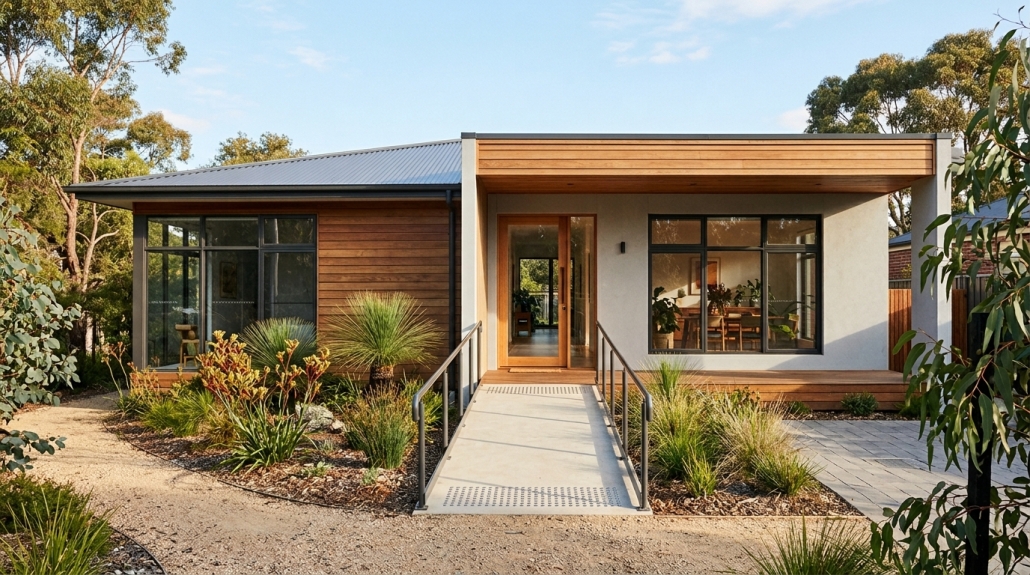
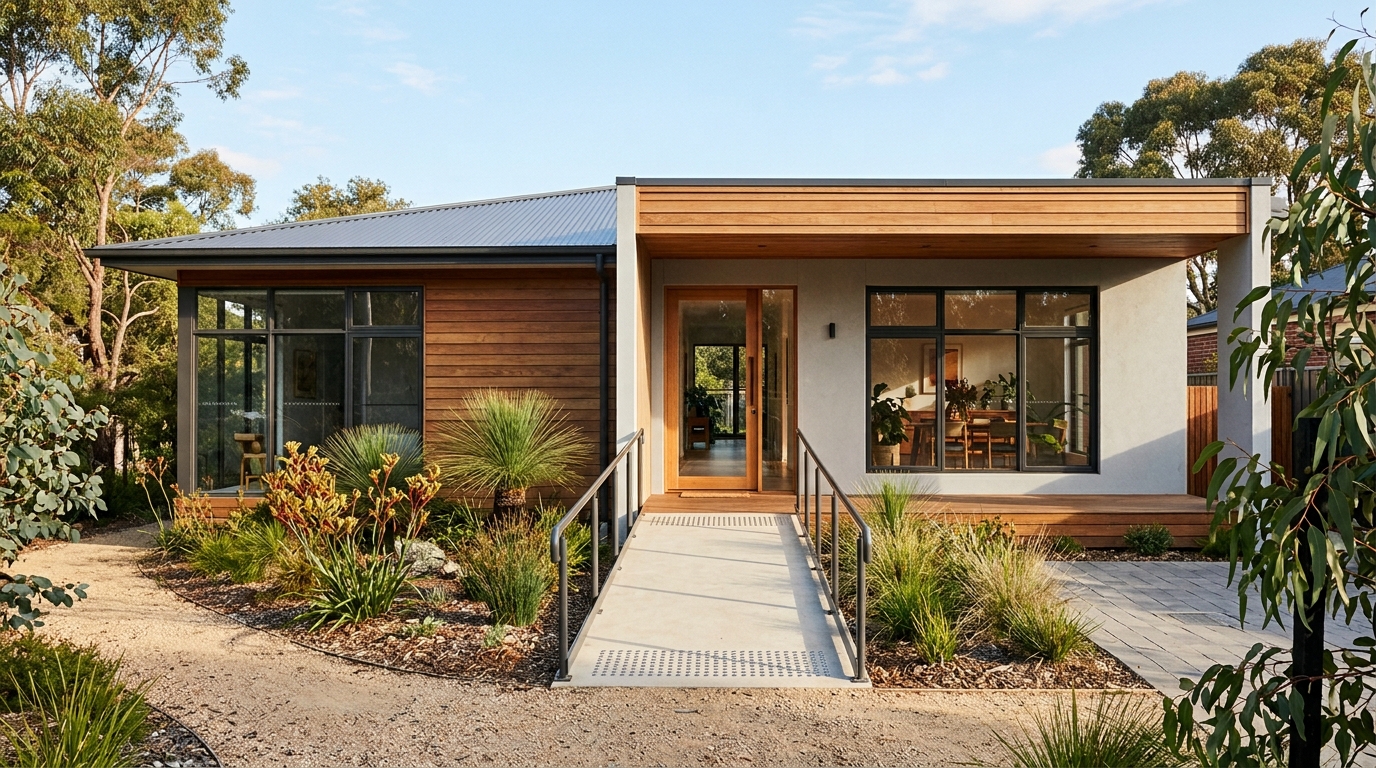
SDA properties are built or significantly modified to meet specific design standards. They may include features such as wheelchair-accessible layouts, ceiling hoists, reinforced areas, assistive technology integration, and widened doorways. These features allow you to live more safely and independently than in a standard home.
The NDIA has historically estimated that SDA may be required by approximately 6% of participants, illustrating that it is intended for a relatively small group. To qualify, you generally need to have extreme functional impairment or very high support needs. The NDIA must also be satisfied that you have an SDA-specific housing need and that SDA meets the NDIS funding criteria for your circumstances.
For a detailed breakdown of the eligibility pathways and the application process, see our guide to SDA funding and eligibility.
SIL vs SDA: A Side-by-Side Comparison
Here’s how the two compare across the dimensions that matter most.
| SIL | SDA | |
| What it funds | Support worker staffing and daily assistance | The physical home and its accessible features |
| What it does NOT fund | Rent, building modifications, housing costs | Day-to-day support services |
| Housing or tenancy arrangement | Separate from SIL and depends on where you live | The dwelling is supplied by a registered SDA provider under a separate agreement |
| Eligibility bar | High daily support needs requiring substantial ongoing assistance | Extreme functional impairment OR very high support needs |
| Who qualifies | Broader NDIS cohort | A relatively small group of participants who meet the specific SDA requirements |
| Funding arrangement | Assessed and funded separately as a daily support | Assessed and funded separately as a housing support |
| Support hours | Up to 24/7, based on assessed needs | Not applicable (SDA is housing, not staffing) |
| Purpose | Support you to live as independently as possible | Provide a safe, accessible home environment |
Neither SIL nor SDA covers your rent. If you receive SDA funding, the NDIS pays the SDA provider for the specialised dwelling, but you still contribute a reasonable rent amount from your own income or Centrelink payments, just as you would in any other rental arrangement. This surprises many people, and it’s worth understanding before your next plan review.
Can You Have Both SIL and SDA?
Yes, and some people do receive both SIL and SDA. But it’s important to understand that the two are assessed and funded separately. Having one does not automatically mean you’ll receive the other.
Here are the three ways this plays out.
SIL Only
You live in a standard rental property, a family home or another community housing arrangement, and you receive daily support from a SIL provider. The property itself is not funded through the NDIS. This is the most common arrangement for SIL participants.
SDA Without SIL
You live in an SDA property because you need specialised housing features, but your day-to-day support is delivered through another arrangement rather than SIL. For example, you may use individually funded support workers, informal supports or another home and living support model. SDA funds the specialised dwelling, while your other supports are considered separately.
Both SIL and SDA
You live in an SDA property and also receive support from a SIL provider. This is common for participants with very high or complex needs who both require a purpose-built accessible home and need substantial daily support. Each is assessed and funded separately based on its own eligibility criteria.
If you think you may need both, an NDIS support coordinator can help you understand the evidence and process for each support, coordinate relevant assessments and explore suitable providers.
Which Is Right for You or Your Family Member?
The right answer depends on the day-to-day support needs and housing situation of you or the person you care for. Here is a practical way to think it through.
If your main challenge is needing help with daily tasks at home
SIL is likely the priority. If you need support workers present for a significant part of each day, for personal care, medication, meals, supervision or overnight assistance, SIL may be the right funding type for your plan.
If your current home cannot safely accommodate your disability needs
SDA may be relevant. If standard housing, even with modifications, creates ongoing safety risks or cannot support the equipment and space you need, it is worth exploring whether you meet the SDA eligibility criteria.
If you need both
This arrangement may suit participants who need both a specialised dwelling and substantial daily support. SDA provides the right environment. SIL provides the right people.
If you’re unsure whether you meet the SDA threshold
It’s worth setting expectations early. SDA has a significantly higher eligibility bar than SIL, and only a very small portion of NDIS participants qualify. The NDIA assesses eligibility using supporting evidence about your functional capacity, housing needs and disability-related support requirements, so speaking with your support coordinator or an occupational therapist is the right first step.
Our disability support services team is happy to talk through your situation and help you understand your options. We’re happy to start wherever makes sense for you.
Working Out Your Next Steps
Navigating housing and support options is one of the more complex parts of the NDIS journey. The terms overlap, the system has many moving parts, and it can feel overwhelming before you have the right people around you.
Holistic Home Care works with participants and their families across Brisbane and South East Queensland to help make sense of home and living options, from supported independent living in Brisbane through to specialist disability accommodation. If you would like to talk through your situation or that of a family member, reach out to our team. We are here to help you understand what is possible.
FAQs
Can you get SIL without SDA?
Yes. Most people who receive SIL do not live in an SDA property. SIL can be delivered in a standard rental, a privately owned home, a group home or any other community housing arrangement. The two are independent funding types, and you can access one without the other.
Can you have both SIL and SDA at the same time?
Yes. Some participants with high and complex needs receive both. The key thing to understand is that they are assessed and funded separately. Each has its own eligibility criteria, and approval for one does not guarantee approval for the other. Both need to be separately assessed and funded in your NDIS plan.
Is SDA harder to qualify for than SIL?
Yes, significantly so. SDA is designed for a small proportion of NDIS participants who have extreme functional impairment or very high support needs and cannot be safely accommodated in standard housing. SIL has a broader eligibility base and applies to a much larger group. If you are unsure whether SDA is realistic for your situation, a conversation with your support coordinator before beginning the full assessment process is a sensible place to start.