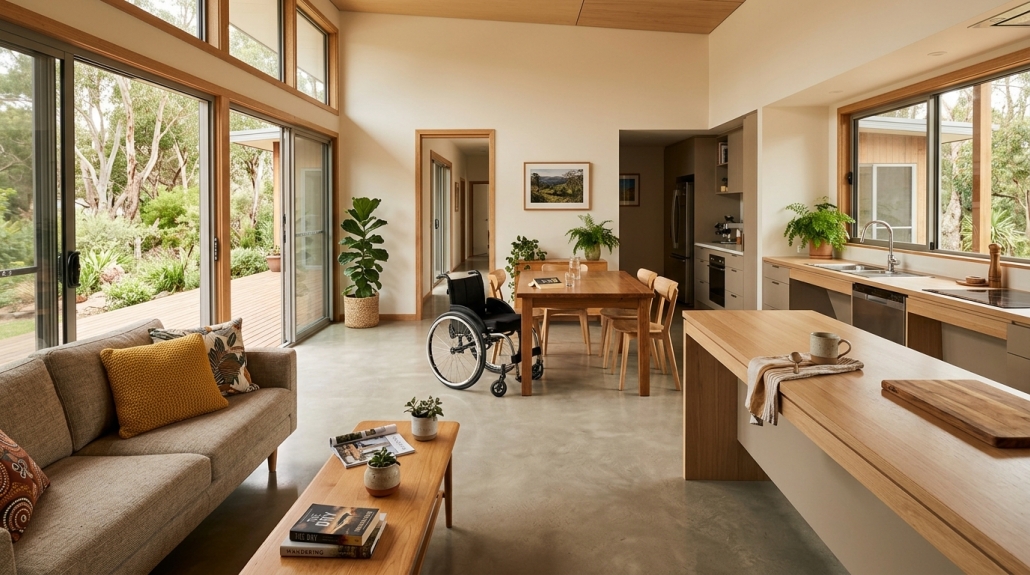
Specialist Disability Accommodation can be life-changing. It offers purpose-built housing with features that can make daily life safer, more accessible and more independent. However, the eligibility requirements are strict.
SDA is intended for a relatively small proportion of NDIS participants. The NDIA has historically estimated that around 6% of participants may require SDA, reflecting the specialised nature of this housing support.
This guide explains the two main eligibility pathways, what the evidence process may involve, how the request process works and what you can do if SDA is not included in your plan.
What Is SDA? A Quick Overview
SDA refers to the physical home itself, not the support services delivered inside it. SDA funding contributes towards the cost of living in a purpose-built, specially designed dwelling.
Our SIL vs SDA explained guide clearly outlines the difference between the two.
The Two Eligibility Criteria
To be considered for SDA, you will generally need to have either extreme functional impairment or very high support needs. The NDIA will also consider whether you have an SDA-specific housing need and whether SDA meets the NDIS funding criteria for your circumstances.
Extreme Functional Impairment
This means you have substantial difficulty completing important daily tasks independently, or may not be able to complete them at all. These tasks may relate to mobility, self-care or self-management, even when assistive technology or home modifications are already available.
Example: Sarah has a spinal cord injury and requires full physical assistance to shower, dress, transfer, and move around her home. Even with a modified bathroom and a wheelchair, she relies on a support worker for most of her daily tasks.
Very High Support Needs
This means you need intensive person-to-person support for a significant part of every day, and either your family or carers cannot safely provide that level of care, or without specialist support, you would pose a serious safety risk to yourself or others.
Example: James has an intellectual disability and complex behaviours of concern. He needs near-constant supervision and is at risk of harm to himself or others without a structured, specialist living environment. His family cannot provide that level of care at home.
Meeting either pathway does not guarantee SDA funding. The NDIA must also assess whether you meet the SDA needs requirement and whether SDA meets the NDIS funding criteria for your circumstances.
Self-Check: Could You Be Eligible?
Use this as a starting point, not a final answer. Eligibility is determined by the NDIA based on formal clinical evidence, not a checklist.
The following should apply:
- I am a current NDIS participant
- My disability is permanent and has a significant impact on my daily functioning
- Standard housing, even with modifications, would not adequately meet my needs
- I have discussed my home and living needs and goals with my NDIS contact or support team
Plus at least one of the following:
- I have extreme difficulty with self-care, mobility, or self-management, even with assistive technology
- I require intensive support from another person for a significant part of every day, and my informal supports cannot meet that level of need, or I would pose a safety risk to myself or others without specialist support in place
If most of these apply to you, it is worth speaking to your OT or allied health professional about a formal assessment. These are indicators, not a guarantee of funding.
What Evidence is Required?
The evidence stage can feel demanding, but understanding what the NDIA may need can help you approach it with greater clarity. A referral letter alone is unlikely to provide enough detail. The NDIA may consider reports from allied health professionals, information about your daily support needs and evidence showing why your current housing does not meet your disability-related needs.
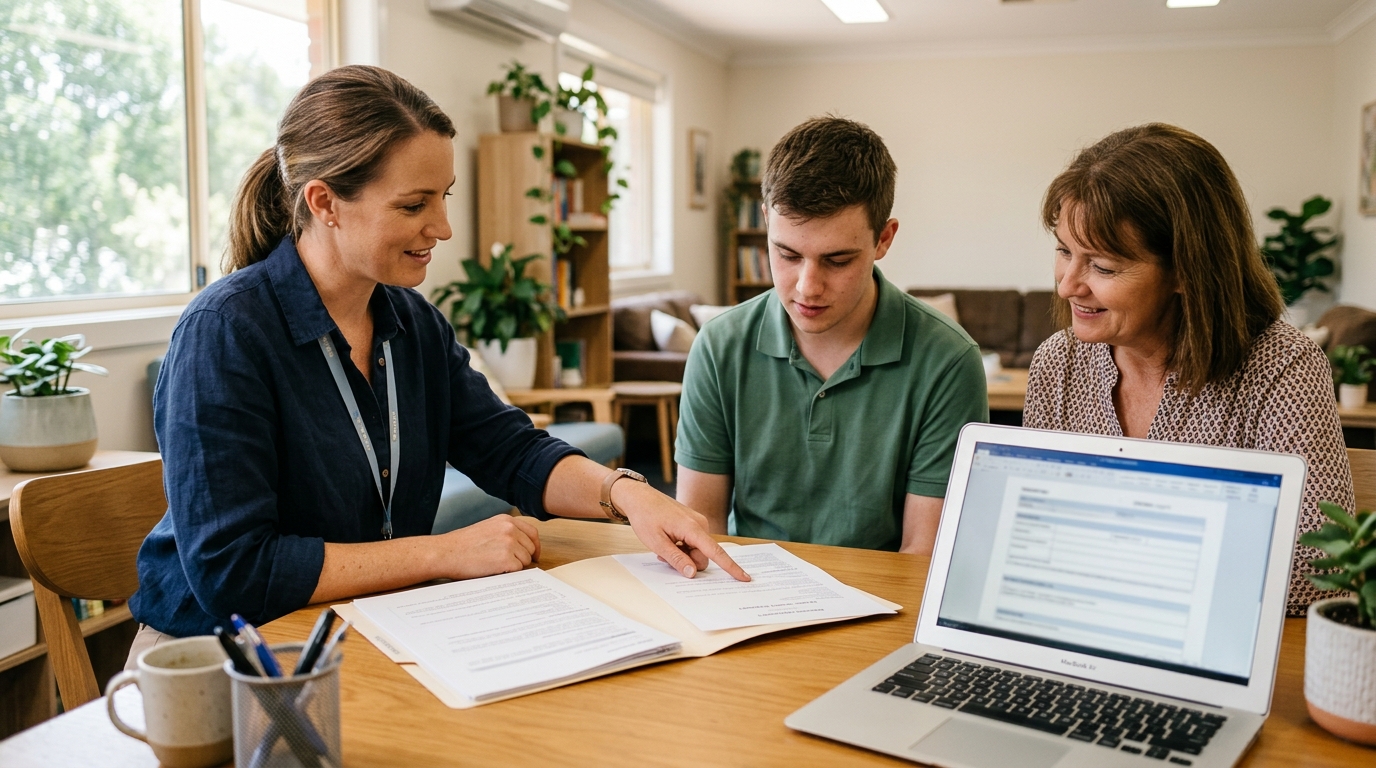
An occupational therapy housing assessment is often an important part of this evidence. This assessment typically takes about 12 to 15 hours of OT time. An occupational therapist with SDA experience can document:
- Your functional capacity across key daily activities
- The risks and challenges created by your current housing
- Why standard housing or home modifications may not adequately meet your needs
- The SDA design features or category that may support your safety, independence and daily living
Depending on your circumstances, supporting evidence may also include:
- Reports from your physiotherapist, speech pathologist, GP or medical specialist
- A Behaviour Support Plan where the Robust design category is being considered
- Incident reports that show housing-related safety risks
- Information about the support you currently receive and why it may not be sustainable in your existing home
You may also need to complete the current NDIS home and living supporting evidence form. The exact evidence required will depend on your circumstances, and the NDIA may ask for further information before making a decision.
This is where support coordination becomes important. A good coordinator can help you understand the process, organise relevant reports and work with your wider support team, rather than only assisting when the request is ready to be submitted.
The Application Path, Step by Step
Although the exact pathway varies, an SDA request typically involves the following stages.
- Discuss your home and living goals with your NDIS contact and make sure the NDIA understands what you want your housing arrangement to help you achieve.
- Engage a support coordinator early. They can help you gather evidence, manage allied health reports, and prepare your submission, not just help you get started.
- Arrange any recommended functional or housing assessments, which may include an assessment by an occupational therapist with SDA experience.
- Gather your supporting evidence: allied health reports, incident records, behaviour plans, where applicable.
- Complete the relevant home and living supporting evidence with assistance where needed.
- Submit everything to the NDIA for review.
- The NDIA reviews your evidence and decides. The NDIA’s review timeframe varies depending on your request and whether further evidence is needed. The full process may take several months.
- If approved, the NDIA will include SDA funding in your plan and explain the type of SDA it has approved.
- Choose your home. Our team can help you explore specialist disability accommodation in Brisbane if you are based in Queensland.
Be prepared for the process to take time. Starting early and having the right people around you makes a real difference.
If Your Application Is Declined
A decision not to include SDA in your plan is not necessarily the end of the road. There are formal pathways to request a review of the decision.
The NDIA may decide not to include SDA if the evidence does not clearly demonstrate your disability-related housing needs or if SDA does not meet all applicable funding criteria in your circumstances.
If your application is declined, here is what you can do.
Step 1: Request an internal review.
You generally have three months from the day you receive the written decision to ask the NDIA to reconsider it. A different NDIA delegate will review the decision. If you have additional evidence, this is the time to include it.
Step 2: Apply to the Administrative Review Tribunal.
If the internal review does not resolve things, you can apply to the Administrative Review Tribunal (ART) for an independent external review. You have 28 days from the date of the internal review decision to lodge your application.
The NDIS Appeals Program, funded by the Australian Government, provides free advocacy support for people going through the ART process.
If you are navigating a review and are not sure where to turn, our disability support services team can help connect you with the right people.
Next Steps
If SDA may be the right path for you or someone you care for, the most important thing is to start early. Start by discussing your home and living goals with your NDIS contact. The right allied health evidence and guidance from someone familiar with SDA can help you prepare your request.
Holistic Home Care work with NDIS participants and their families across Brisbane and Queensland to navigate home and living options, coordinate the evidence process, and find housing that fits. If you would like to talk through your situation, reach out to our team. We are here to help you understand your options.
FAQs
How do I know if I qualify for SDA?
Eligibility is assessed by the NDIA based on clinical evidence. The two main pathways are extreme functional impairment and very high support needs. If you think you may meet either pathway, speak with your occupational therapist or support coordinator about a formal assessment.
What is the difference between SDA eligibility and SDA funding approval?
Meeting the SDA eligibility requirements does not automatically mean every requested housing arrangement or funding amount will be approved. The NDIA also considers whether SDA meets the NDIS funding criteria for you and, if it does, determines the type, design category, location and budget to include in your plan.
How long does the SDA assessment process take?
There is no fixed timeframe. An occupational therapy assessment may involve interviews, functional observations, consultation with your support team and detailed report preparation. After submission, the NDIA may also request further information before making a decision, so it is best to begin the process early.
What if my SDA application is rejected?
You can request an internal review within three months, and apply to the Administrative Review Tribunal within 28 days of any internal review decision. Free advocacy support is available through the NDIS Appeals Program.
Do I need to meet both eligibility criteria?
No. You do not need to satisfy both criteria. You may meet either the extreme functional impairment pathway or the very high support needs pathway. However, meeting one of them is only part of the NDIA’s broader assessment of whether SDA should be included in your plan.
What is the difference between SDA and SIL?
SDA covers the physical home. SIL covers the daily support you receive inside it. Many people who qualify for SDA also receive SIL funding in the same home, but they are assessed and funded separately. If you are unsure how the two interact in your situation, our supported independent living team can help you understand your options.