
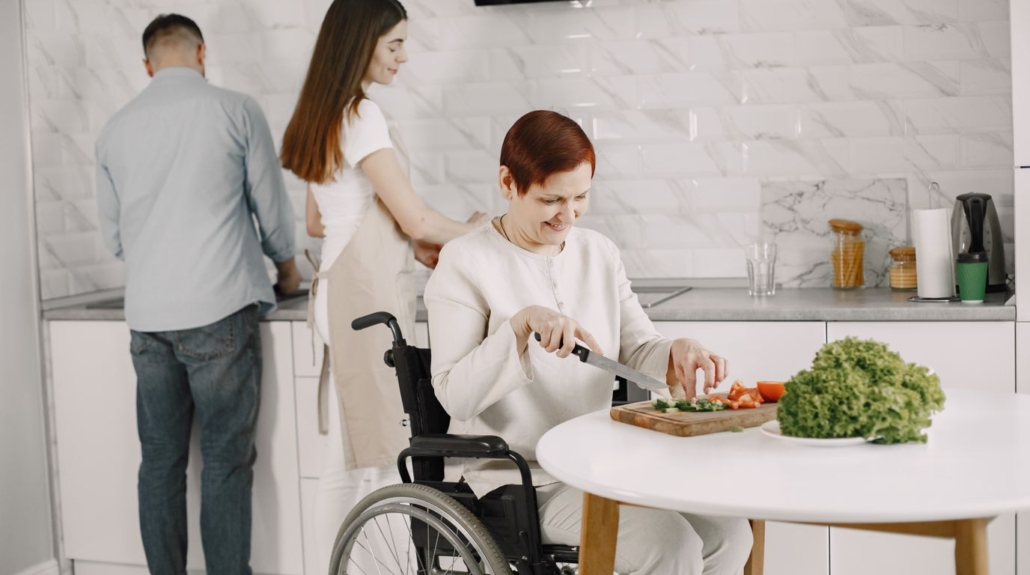
Everyday tasks can take more energy when you live with disability. Things like showering, preparing meals or keeping the house in order may feel more difficult on some days. NDIS funding can cover assistance with daily living, including support from a worker who helps with these tasks so you can maintain your independence at home.
It sits in the Assistance with Daily Life category of your Core Supports budget. The National Disability Insurance Agency (NDIA) decides what is funded, based on what is reasonable and necessary for you. Here’s a more detailed look at what it covers and how to get it in your plan.
Quick Answer
- Personal care: Help with showering, dressing, grooming and eating.
- Household tasks: Support with cleaning, cooking, laundry and shopping.
- NDIS funding: Covers eligible support worker assistance through your Core Supports budget.
- What’s excluded: Everyday living costs such as rent, groceries and medical expenses.
- Eligibility: Depends on your disability-related needs and what the NDIA considers reasonable and necessary.
What Does Assistance with Daily Living Cover?
Assistance with daily living support usually falls into two groups. Your plan may fund one or both, depending on your needs.
Personal Care
- Showering and toileting
- Getting dressed and grooming
- Help getting in and out of bed
- Medication prompts and reminders
- Eating and drinking support
Household Help
- Cleaning and laundry
- Meal planning and cooking
- Help with shopping
- Basic yard and garden upkeep
- Planning your week and keeping on top of appointments
Getting the right support coordination in Brisbane helps you build your own skills. Over time, you might need less help with some tasks.

What Is Not Covered?
This part of your plan pays for a support worker’s time. It does not cover everything that happens during that time, such as:
- Living costs: Everyday expenses like rent and groceries. If a worker helps you shop, their time may be funded, but the food is not.
- Medical care: Medications and hospital treatment are funded through the health system.
- Support from other systems: For example, help that schools are responsible for.
- Vehicle costs: Transport is funded separately in your plan.
- Non-essential items: Event tickets or general entertainment costs.
If you are unsure, ask your support coordinator or NDIA contact before you spend. Our guide to Core, Capacity Building and Capital budgets explains how the wider plan fits together.
Who Can Get This Support?
The NDIS funds support based on your needs, not just your diagnosis. Two people with the same condition may receive very different plans.
What matters is how your disability affects your daily life. The NDIA looks at what you can do on your own and what you need help with. It also considers the support you already have from family and friends.
You may be eligible if you are an NDIS participant who needs regular help with daily tasks. The NDIA will then decide whether the support is reasonable and necessary for you.
Daily Living Support vs Improved Daily Living vs SIL
These names sound alike, which can be confusing. Here is how they differ.
| Support | What it funds | Budget |
| Assistance with daily living | A support worker who helps with personal care and household tasks, often in drop-in visits | Core Supports |
| Improved Daily Living | Therapy, such as occupational therapy, to build your skills | Capacity Building |
| Supported Independent Living (SIL) | Rostered support in a shared home, often including overnight help | Core Supports |
Drop-in visits suit many people. If you need help for most of the day and night, SIL may be worth exploring.
Learn more about what Supported Independent Living (SIL) is or read our guide to SIL costs in Brisbane.
How to Get Daily Living Support in Your Plan
Step 1: Map Your Daily Routine
Write down a typical day and a typical week. Note each task you need help with and how long it takes. Include the hard days and be specific about what makes them particularly challenging.
Step 2: Gather OT Evidence
An occupational therapist can assess how you manage daily tasks. Their report gives the NDIA clear evidence of what you need. Letters from your GP or other therapists can help too.
Step 3: Raise It at Your Plan Reassessment
Bring your routine and reports to your planning meeting. Explain what feels hard and why. If your needs change before then, you can ask the NDIA to change your plan.
Support That Fits Your Life
At Holistic Home Care, we believe support should feel respectful and personal. As an NDIS service provider for Brisbane families since 2018, we offer personal care and household help across Brisbane, Ipswich, Logan and Moreton Bay.
Our disability support services range from drop-in visits to more comprehensive SILs in Brisbane.
If you would like to talk about your needs, call us on 1300 942 008. We are here to listen.
Talk to Our NDIS Team
Questions about SIL, SDA or your NDIS plan? Our registered team in Brisbane can help you understand your options.
Frequently Asked Questions
What comes under Assistance with Daily Life NDIS funding?
It includes personal care, such as showering and dressing, and household help, such as cleaning and cooking. It can also include SIL. The NDIA does the final assessment of what could be funded in your plan.
Does assistance with daily living cover support worker fees?
Yes. It covers a support worker’s time to help with everyday tasks you find hard because of your disability. It does not cover living costs like rent or food. All funding must be reasonable and necessary, as decided by the NDIA.
Can I choose my own support worker?
Yes. You can choose which provider supports you, and you can change providers if things are not working. Many providers will also try to match you with workers who suit your needs and personality. It is worth asking about this before you start.
How many hours of support will I get?
There is no set number of hours. The NDIA looks at your needs, your goals and the help you already have. It then decides how much funding to include in your plan. If your needs change, you can ask for your plan to be reassessed.